Norristown French drain installation specialists
Give groundwater a better path
A French drain estimate can show whether water should be collected inside, outside, or both.
Norristown French drain installation specialists
A French drain estimate can show whether water should be collected inside, outside, or both.
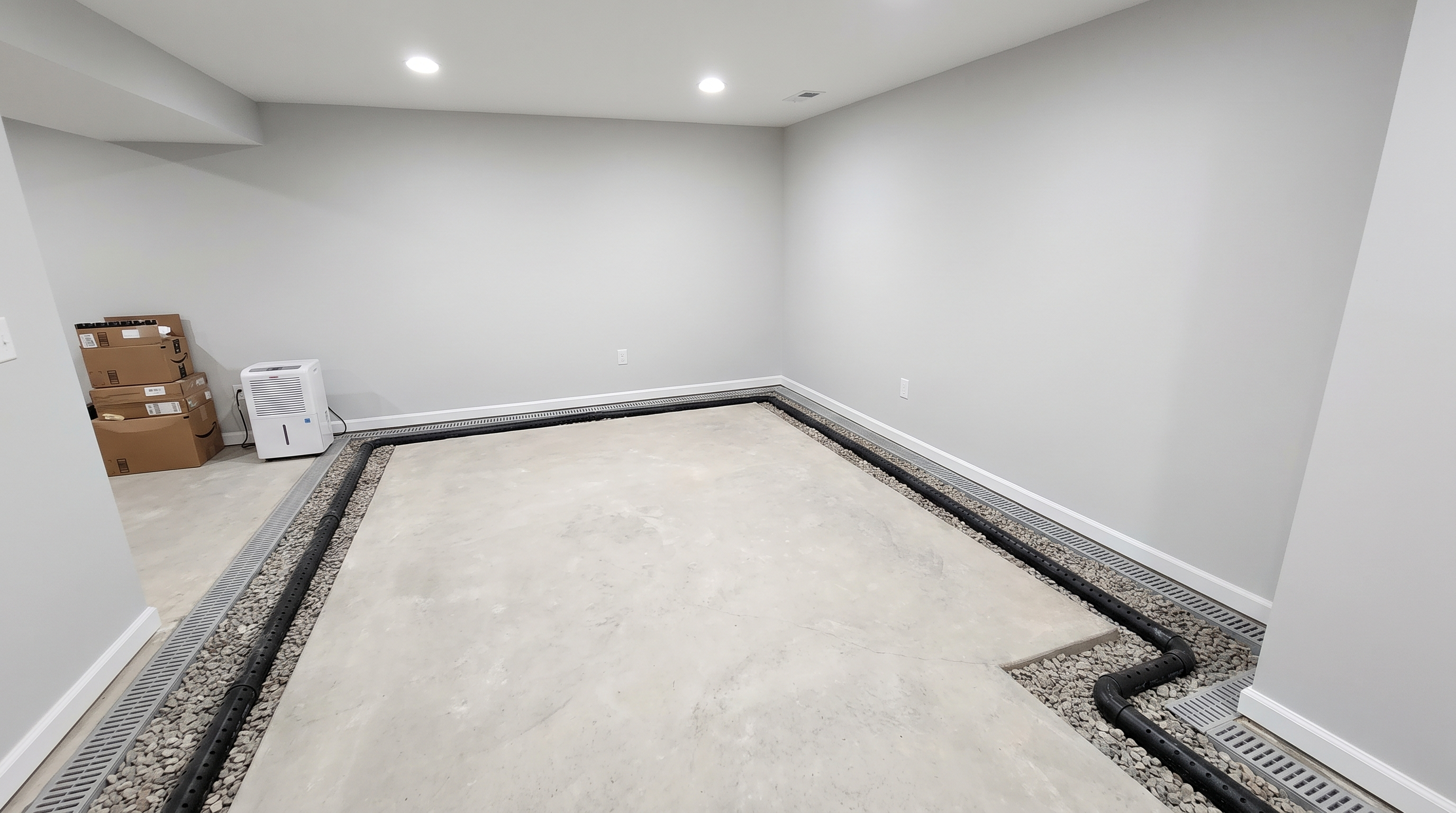
A French drain is a perforated pipe set in stone that collects water and moves it to a lower point, sump pit, or approved discharge. In basement waterproofing, the term can describe an interior perimeter drain, an exterior footing drain, or a yard drain that relieves water before it reaches the foundation.
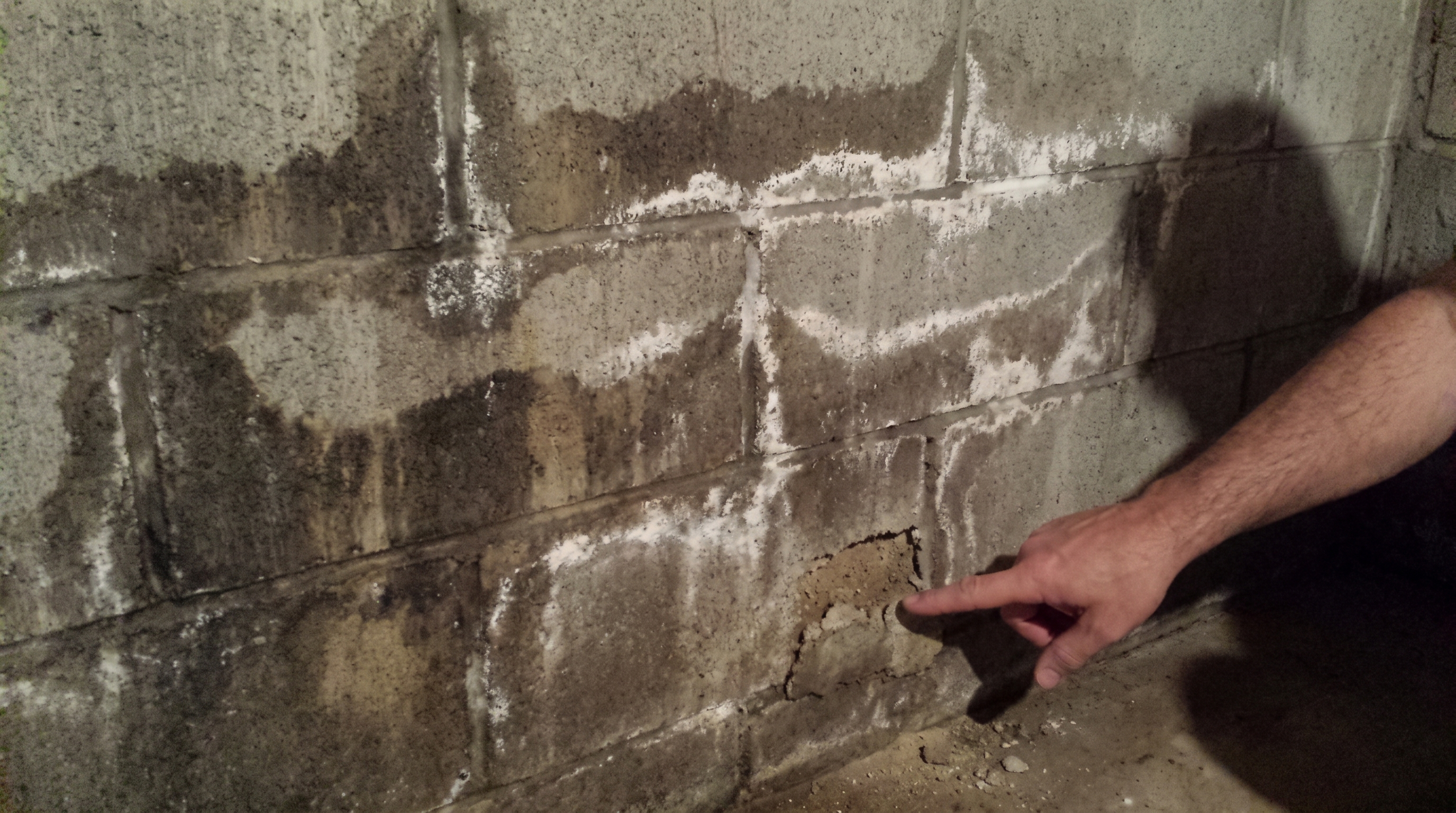
Norristown homes need the drain type matched to the actual problem. Water seeping at the wall-floor joint may need an interior perimeter drain. Surface water flowing toward a foundation may need grading and an exterior drain. Water collecting at a low walkway, window well, or rear yard may need a separate line tied to a safe outlet.
The details matter. Pipe slope, stone size, filter fabric, cleanouts, sump connection, and discharge location all affect performance. A drain that clogs with silt or dumps water beside the house can make the problem worse.
Because many Norristown lots are tight, contractors often combine interior drainage with targeted exterior grading or downspout corrections. The goal is not to install the longest drain. The goal is to intercept the water that is reaching the basement.
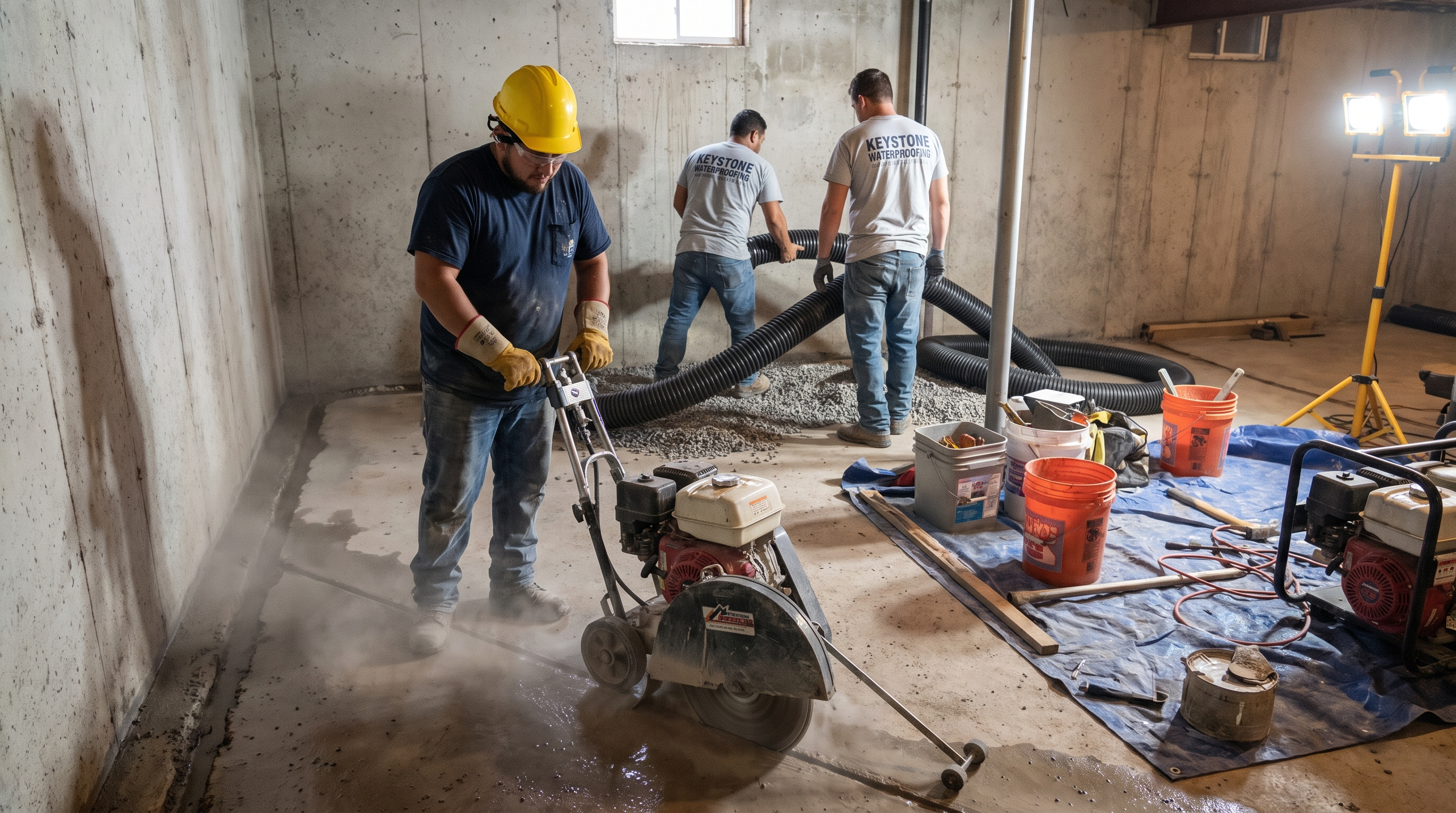
French drain work should define where water is collected, how it moves, and where it exits.
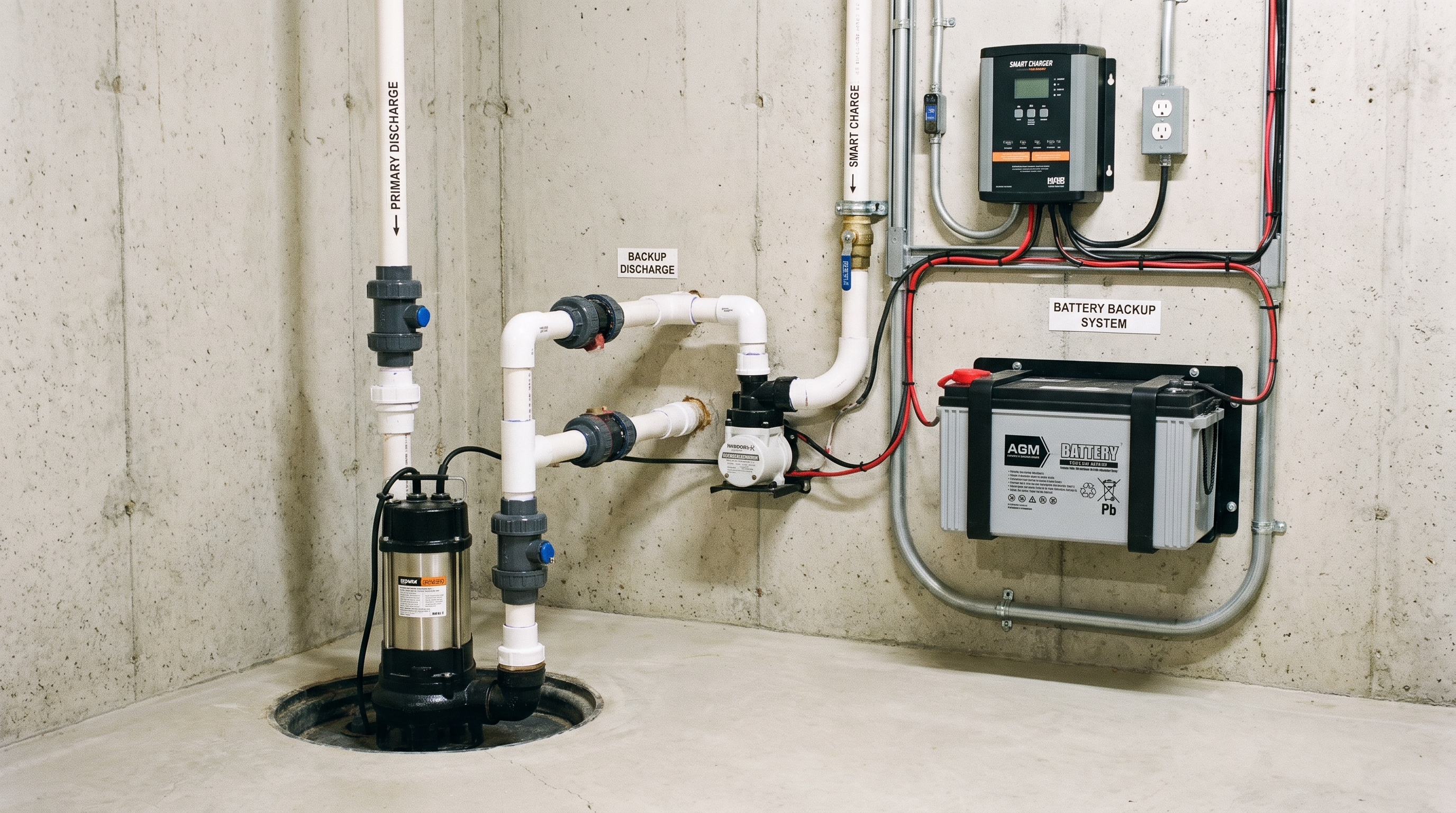
A drain line is installed under the slab edge to collect water at the basement perimeter. It usually connects to a sump basin and works with wall drainage panels where seepage comes through masonry.
A trench, stone bed, filter fabric, and perforated pipe can collect water outside the home before it reaches the foundation. The line must have a proper outlet or pump connection.
Cleanouts help maintain the drain if sediment builds up. The discharge route should move water away from the home without sending it onto neighboring property or back toward the wall.
A basement edge leak, yard drainage issue, and window well problem need different drain layouts. The contractor should trace water movement before recommending the line.
Clay-heavy soil can hold water and clog poorly built drains. Stone, fabric, slope, and cleanouts help the system keep moving water after repeated storms.
Ask for a drain layout before water keeps finding the same basement corner.
Free — no obligations
The contractor reviews grading, downspouts, wall seepage, floor-edge water, and outdoor low spots to identify the water source.
The pipe path, depth, stone bed, fabric, cleanouts, sump connection, and outlet are planned before trenching or concrete cutting.
Perforated pipe is placed in stone with the correct pitch and protection from soil intrusion.
The contractor confirms that water reaches the sump or discharge point and that the drain area is restored cleanly.